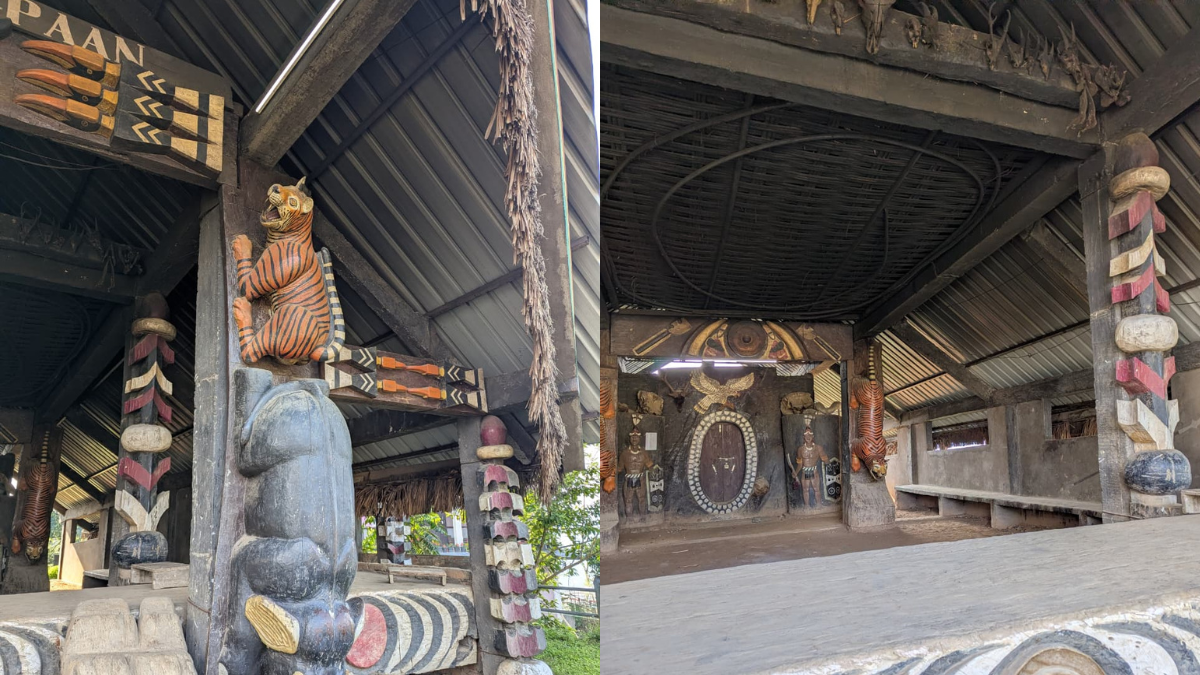
The core of the Konyak village is the morung, which is a social institution, a university and a brotherhood in one. Here unmarried Nagas are initiated into adulthood.
A Living Classroom of Culture
Within the morung the elders pass on the knowledge they have, as they have done for centuries, orally, by firelight, by story and by practice. Young men are taught the dialects of their ancestors, religious rites which tie them to the spirit world, and folk songs which record history in song.
However, the morung is practical too. Here a boy learns how to carve wood into fierce mithun heads, how to forge iron in the blacksmith’s heat, and how to weave bamboo into baskets that could carry a harvest. All of the skills he is taught have a purpose — that of making him a provider, a protector and a keeper of culture.
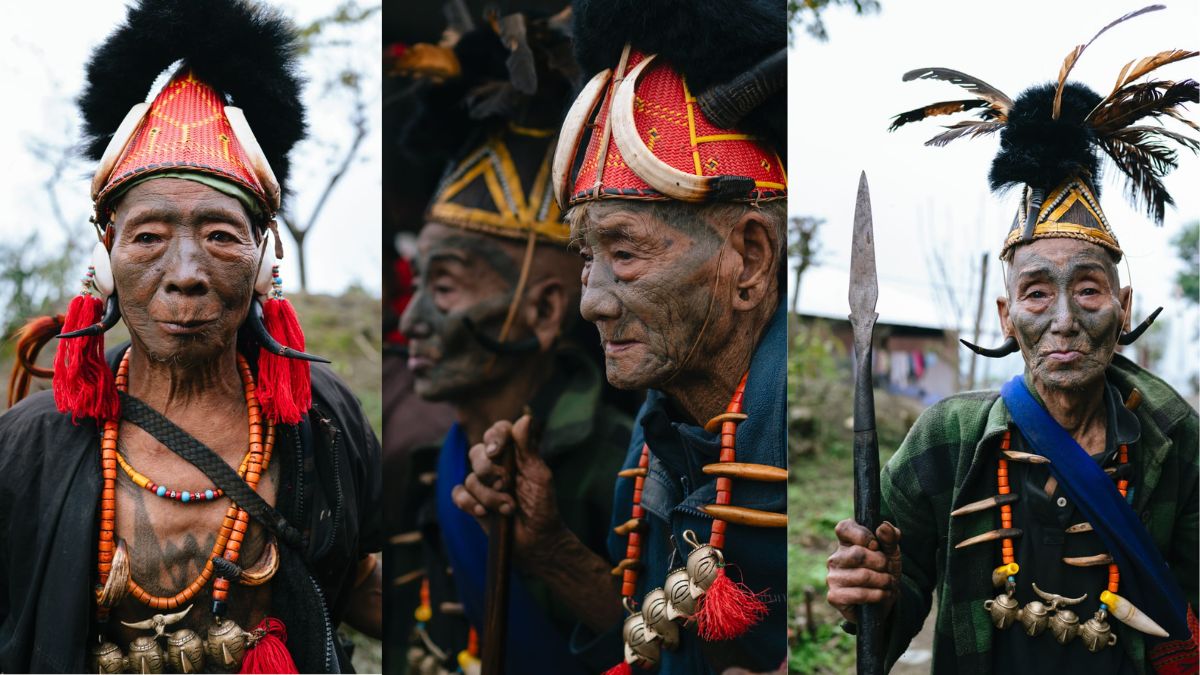
The morung in earlier times was also the place where the art of head hunting was taught. Before a young man joined his first raid he was instilled with strategy, stealth, and courage. Headhunting is over centuries, but the morung still carries on the lessons of discipline, loyalty and responsibility that were expected of headhunters.
A World Apart: The Gendered Space
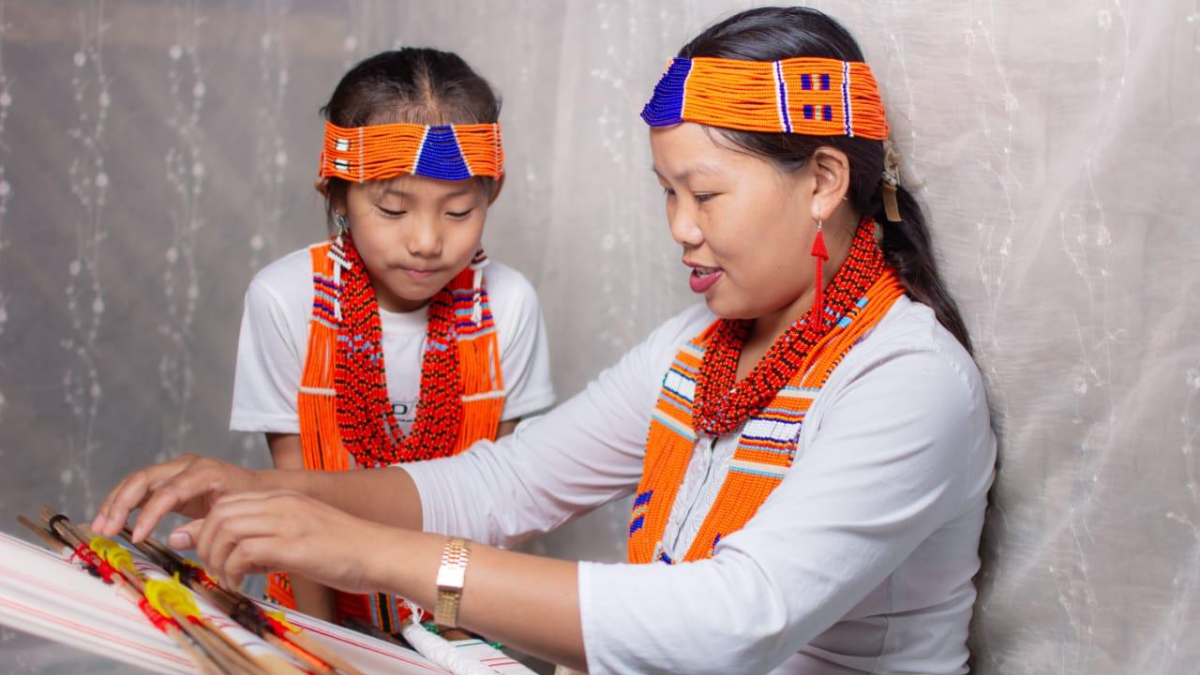
In the Konyak culture, there is a clear distinction of duties according to gender. Men are responsible for hunting, protecting the village and fighting. Women are the backbone of the family, working on the farms, bringing up children and keeping families united.
Since the morung is the place where the young men learn their distinct role and responsibilities, women do not enter the physical morung. It is a male space, not by exclusion but because there are institutions for learning, bonding and passing on knowledge for each gender. Those lessons are in the fields, at the hearth and in the weaving of textiles, all of which are equally sacred spaces of learning for women.
The Morung's architecture is built to be seen.
There will be a morung at a hilltop or vantage point, it can be seen from every direction. It stands as a sentinel, a reminder of unity and vigilance.
The buildings are constructed from the land – cane, thatched palm leaves, bamboo and wood. Nails and concrete were not involved here — only ancestral engineering. The size of a morung may be indicative of the size of the village it serves. A big village has a big morung which can accommodate multiple young men for their years of training.
The Log Drum: Heartbeat of the Village
A log drum is a giant outside each morung. The drum is carved from one huge tree trunk and is the symbol of unity. It has a deep, resonant voice that can summon warriors to protect the village, announce festivals or lament the dead.
A new log drum installation is no simple matter. It is accompanied by a complicated ceremony which attracts many Konyak men and women. The drum is carried in a grand procession to the morung where singing, dancing and rhythmic drum beats accompany the procession. Each time the rope is pulled, each chant, the community is united. Once the drum is in place, the first beat reverberates through the hills, announcing “We are one.”