
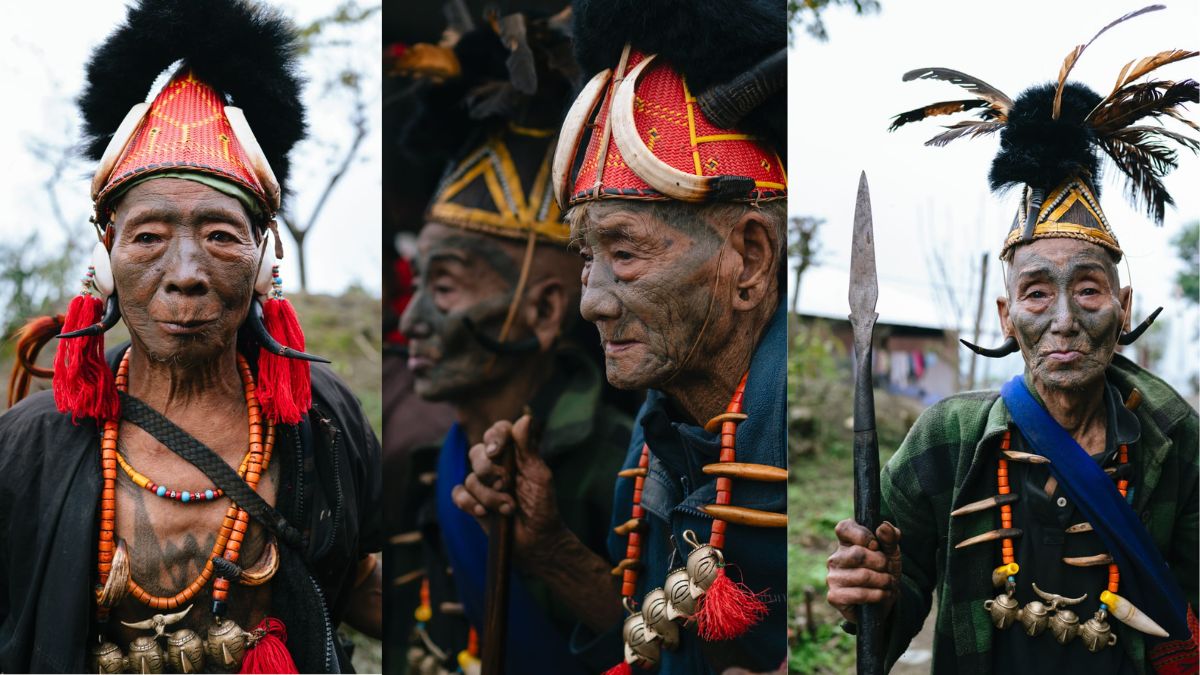
Tattoos were not simply body art for the Konyak Naga tribe of Nagaland. They were degrees, diaries, and declarations carved into skin, a visual language that declared to the world who you were, what you had done, and where you fit in society.
Who Are the Konyaks?
The Konyak people are the largest tribe in Nagaland and are primarily situated in Mon District, some konyak communities also live across the border in Myanmar.
Historcially, villages functions independently under the leadership of hereditary chiefs known as Anghs. Some Anghs rules over multiple villages and held authority over social customs, land, and warfare.
For Konyak Men: Tattoos as Milestones of Manhood
Each of the marks on a Konyak man’s body was a well-deserved mark. Tattoos were a symbol of life, of certain ages, rites of passage, and victories in the once common practice of headhunting.
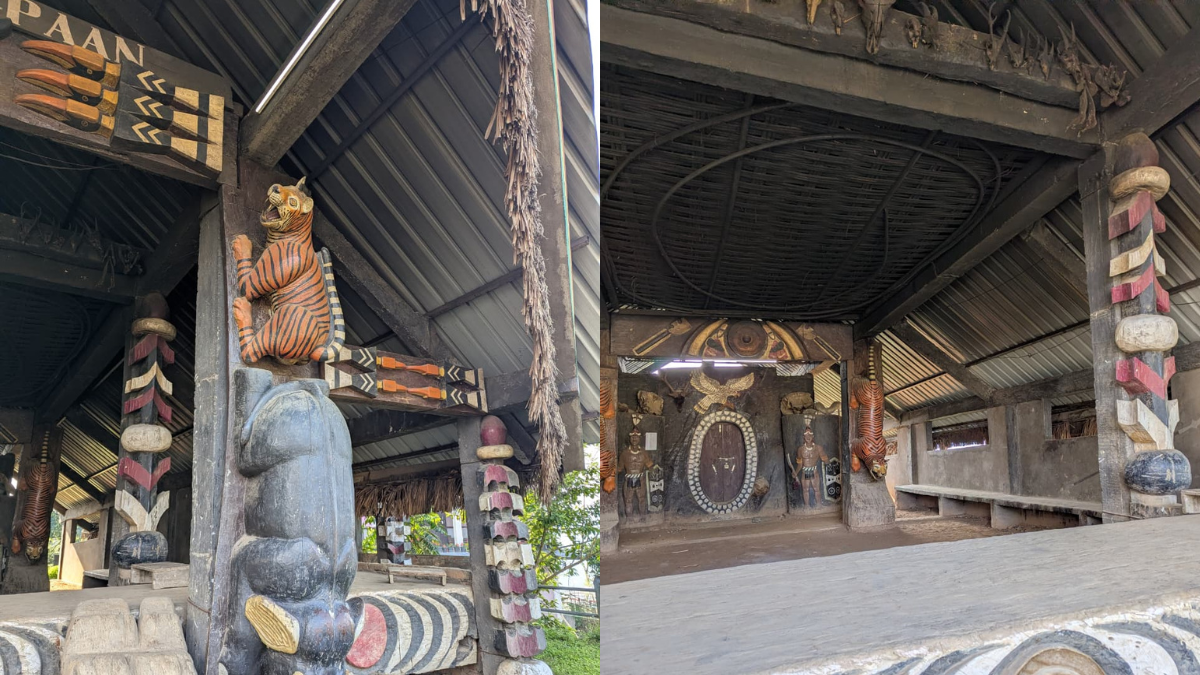
The Paan was a socio-cultural institution where young men were initiated, a combination of dormitory, military academy and moral school. The Paan influenced the social values, ethics and beliefs of a Konyak man. He was soon to be called up to join in a raid with the men’s club. It was a courageous test, a must for manhood.
In exchange for his involvement, a man got his first tattoos on his face and chest. These weren’t decorative. They were records. The faces, chest, neck, back, arms and legs were all tattooed with figures, usually with numerals, each representing the number of heads he had captured in a headhunting raid.
The Naomei: Warrior of the Highest Honor
There was one title that was more prestigious than all others among warriors, and that was Naomei. A Naomei was a brave warrior who managed to chop off the head of an enemy – or enemies – on a headhunting expedition. Full-body tattoos were only allowed for a Naomei. He alone could carry figures on his chest and back, and have them tattooed all over his body.
He had the same number of heads as there were figures. Every mark brought prestige, respect and authority to the bearer, equivalent to that of the Anghs, the traditional chiefs. The Naomei also had a special privilege: he could ask for special tattoo patterns to make him stand out from everyone else; a special design that would tell his personal story of bravery.
The Anghya: Keepers of the Sacred Needle
Tattooing was not a craft that was available to all of the Konyaks. The task was a royal and spiritual duty and was done only by the Anghya (Queen of the house of the Chief King, called the Angh).
A Konyak Warrior and the tattoos on their Chest vs. Face.
Konyak men’s tattoos were a journey map of their passage into manhood, and the site of each tattoo told a story.
Tattoo on the Chest: The Mark of Participation
If a man had a tattoo on his chest, it meant he had been on a raid to headhunt. It was a testament that he had responded to the call of the men’s club and socio-cultural institution that had formed his ethics, courage and duty, the Paan. The first honor was the chest tattoo that read, “I went. I stood with my brothers. I faced the danger.” It was his initiation into the world of warriors.
Tattoo on the Face: The Mark of Success
The face was left for the greatest success — a successful hunt. Having a tattoo on the face implied you had not only been there but returned victorious, with the head of an enemy. The most obvious and enduring expression of courage was on the face.
Konyak Women Tattoos as the Cycle of Life
Tattoos had a different but equally powerful meaning for Konyak women. Their markings represented the evolution of the biological cycle – from girlhood to womanhood, marriage, motherhood and elderhood. There were particular patterns for each stage of life, typically on the face, arms and legs. A man’s tattoos were his record of conquest, a woman’s were her record of continuity, the sacred rhythm of life, family, and community.
How Were the Tattoos Made?
Traditional tattooing method were painful and entirely manual.
Natural pigments were often from charcoal, plant extracts, soot.
The skin was punctured using sharp throrns, bamboo splinters, or handmade needles.
The process could take hours of time and required endurance. Another reason tattoos were also viewed as marks of resilience.
The Last Living Carriers of This History
Nowadays, the elderly Konyak are sometimes called “the last visible keepers” of this tradition.
1 Comment
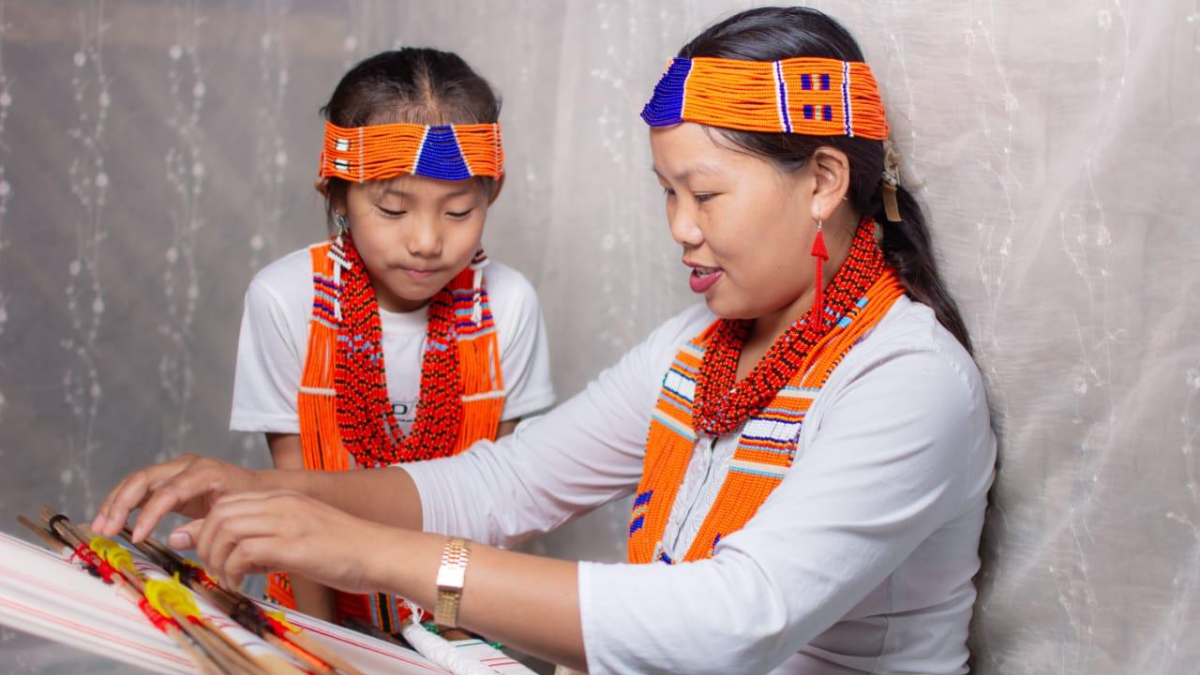
[…] to the Nagas back than. Each thread carries a meaning, every shawl has a symbol of identity. For Konyak Nagas, Women were the custodians of the textile traditions before the advent of factory-made cloths in […]